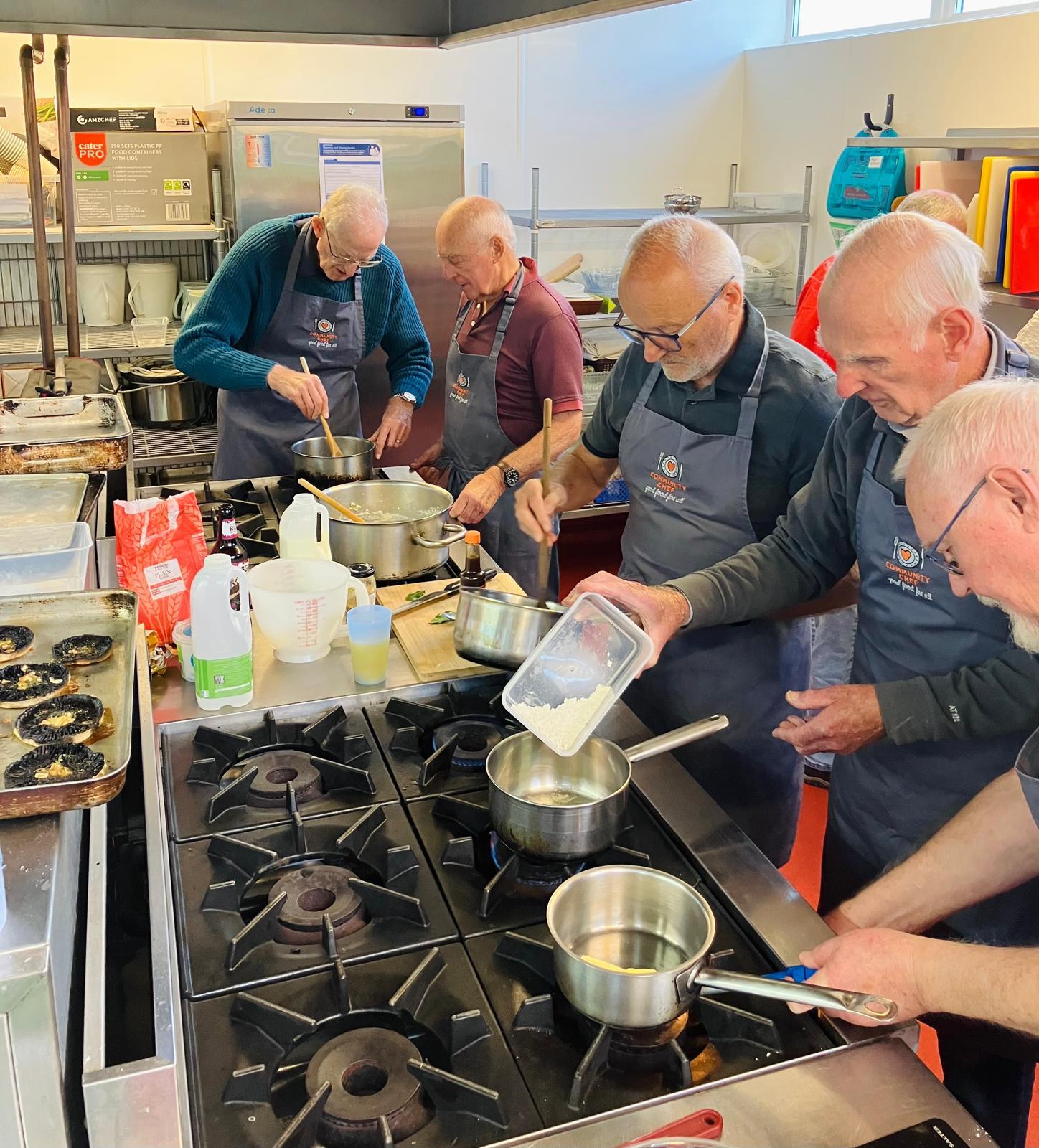
As energy prices fluctuate and environmental concerns grow, finding practical ways to reduce household energy use has become increasingly important. Cooking is a daily activity where small changes can lead to meaningful savings, both financially and environmentally. Using low-energy cooking devices such as slow cookers, air fryers, microwave ovens, pressure cookers, or induction hobs can significantly cut the energy required to prepare meals. These appliances heat food more efficiently, waste less heat, and often require shorter cooking times, making them ideal for households looking to reduce bills and still cook good food.
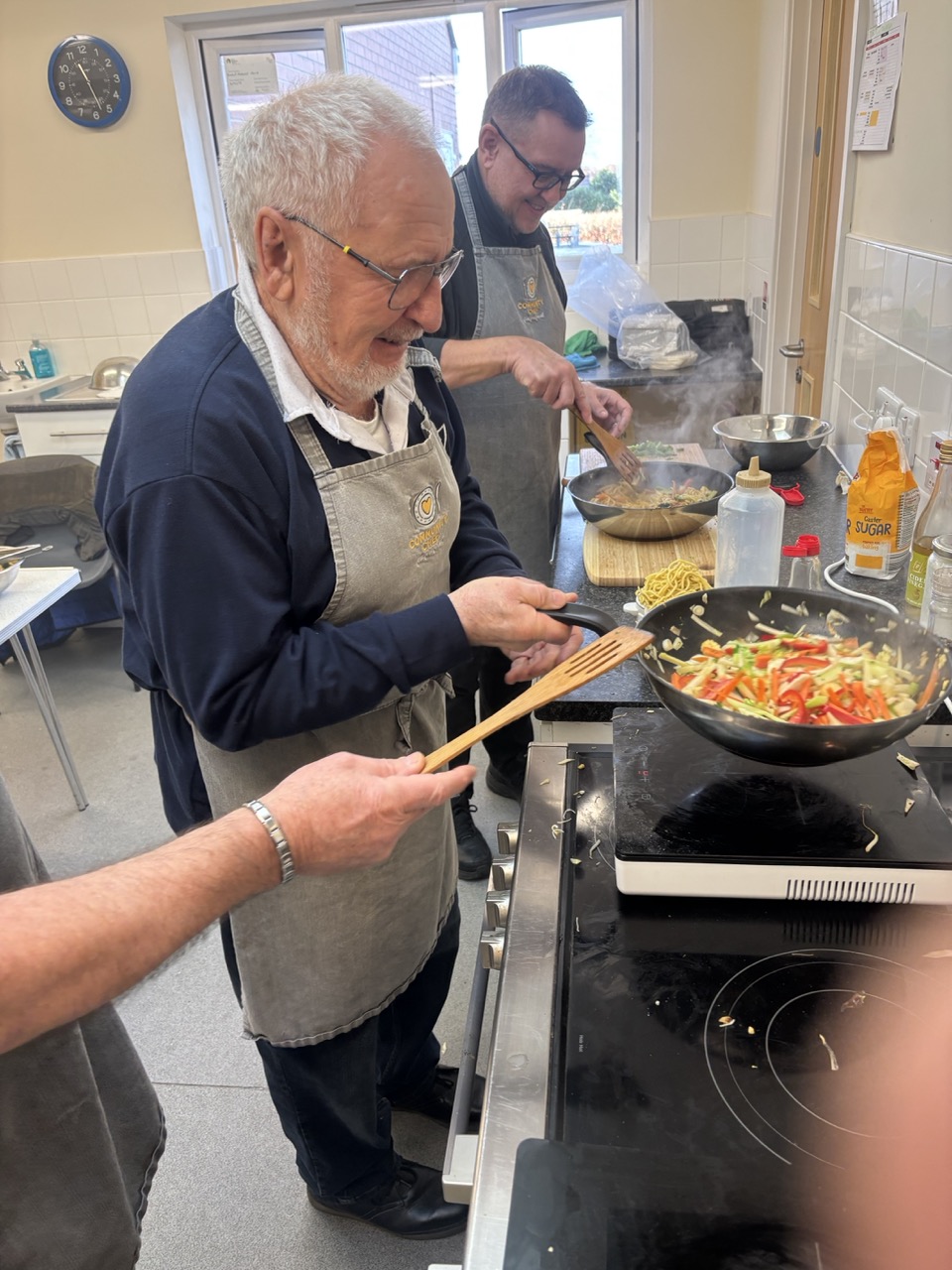
We have been using a variety of devices in our Energy Efficient Cookery demonstrations and courses and here is a short comparison with the pros and cons of four everyday devices. We’ve also included our top ten common sense tips for Energy Efficient Cooking
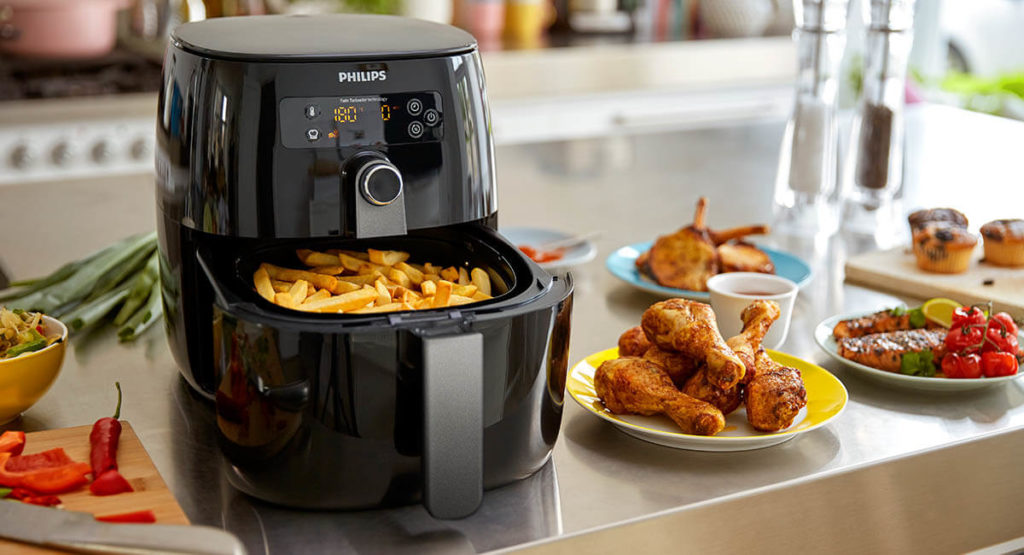
Air Fryers – these have become a favourite for people wanting fast, healthier meals. They are essentially a mini oven with a powerful fan which means they heat up quickly and cook efficiently.
Pros
– They heat up quickly and use far less electricity than a full oven.
– You can cook with little to no oil, making meals lighter.
– Hot-air circulation cooks many foods faster than traditional roasting.
Cons
– Most models have limited space, which isn’t ideal for large families.
– Some ingredients don’t crisp evenly or suit air frying.
– The internal fan can be quite noisy.
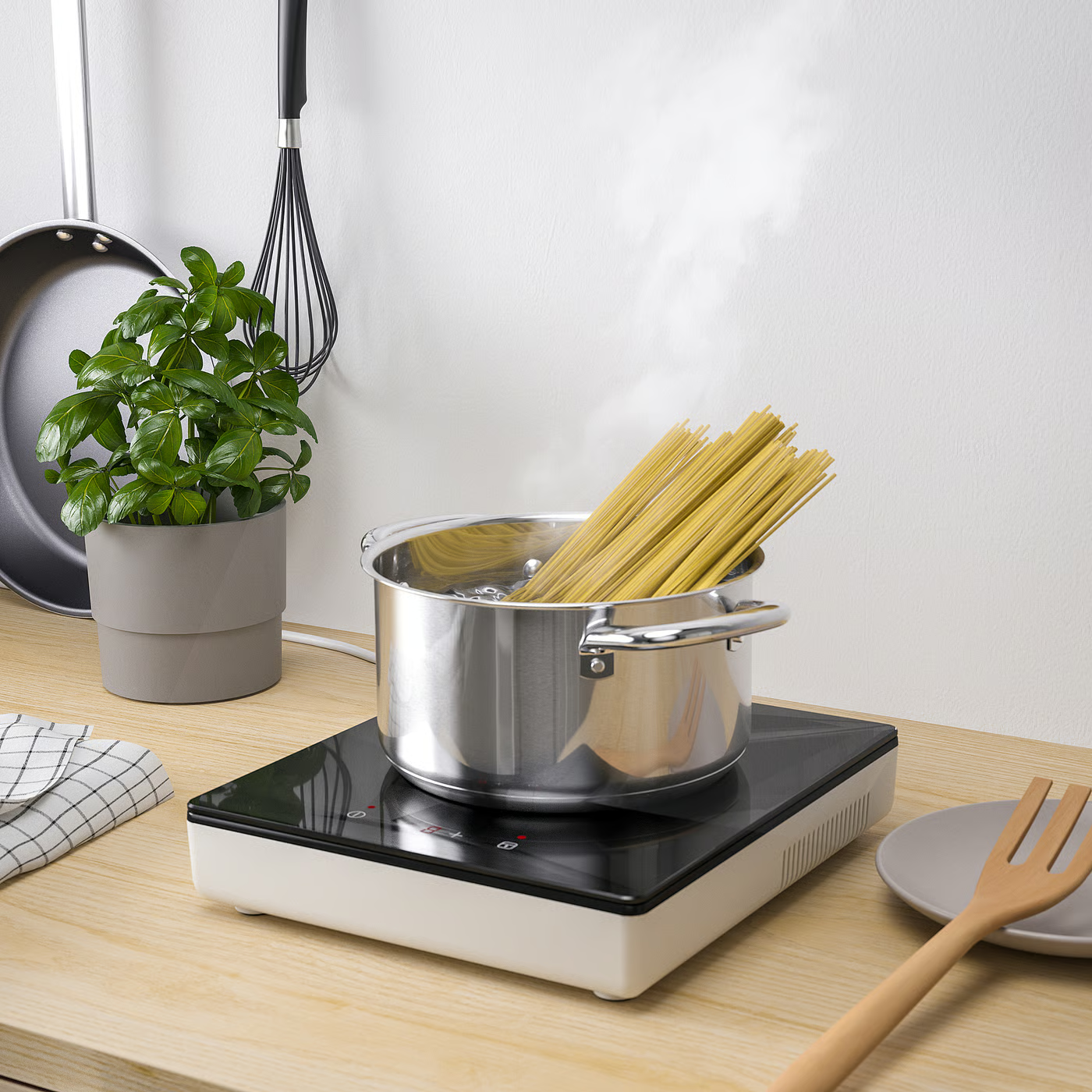
Induction Hobs – Induction technology offers speed and precision while cutting down on energy waste.
Pros
– They’re extremely efficient because they heat the pan directly, not the air around it.
– They boil water and change temperatures incredibly fast.
– The surface stays relatively cool, making them safer to touch.
Cons
– You may need compatible magnetic cookware, adding to the cost.
– Some pans can vibrate and make a humming sound when heating.
– Installation costs can be higher than standard electric hobs.
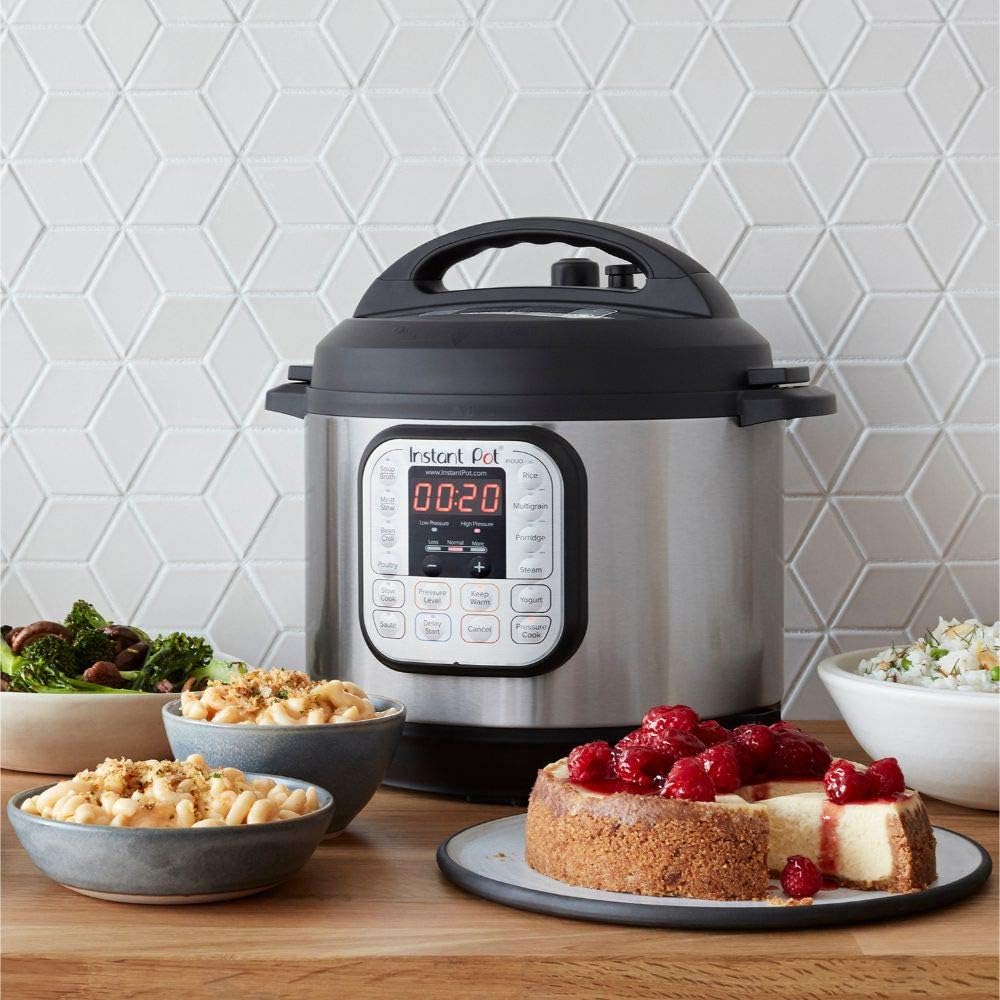
Electric Pressure Cookers – These multi-function devices are brilliant for hearty meals without long cooking times. You can pressure cook, slow cook and saute. You can also set them to come on when you want them to.
Pros
– They dramatically reduce cooking time compared with simmering on a hob.
– They are fantastic for cooking beans, pulses and tougher cuts of meat.
– They’re largely hands-off—set the timer and walk away.
Cons
– The various settings can feel intimidating at first.
– They don’t brown or crisp food because of the moist environment.
– They take up a fair amount of space on the counter or in cupboards.
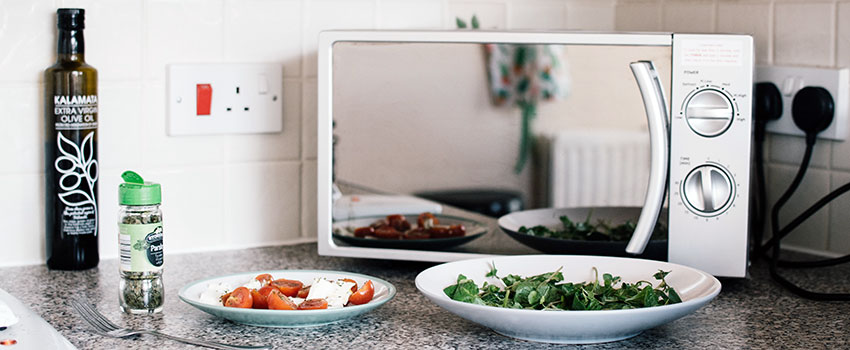
Microwaves – Love or hate them, the microwave remains one of the most energy-efficient appliances in the home.
Pros
– Perfect for quick meals and reheating with very low energy use.
– Short cooking times help retain nutrients in vegetables.
– They’re simple to use and require very little supervision.
Cons
– They don’t brown or crisp food, so textures can be soft.
– Heating can be uneven if food isn’t stirred or repositioned.
– Some foods, like pastry or roasts, just don’t work well in a microwave.
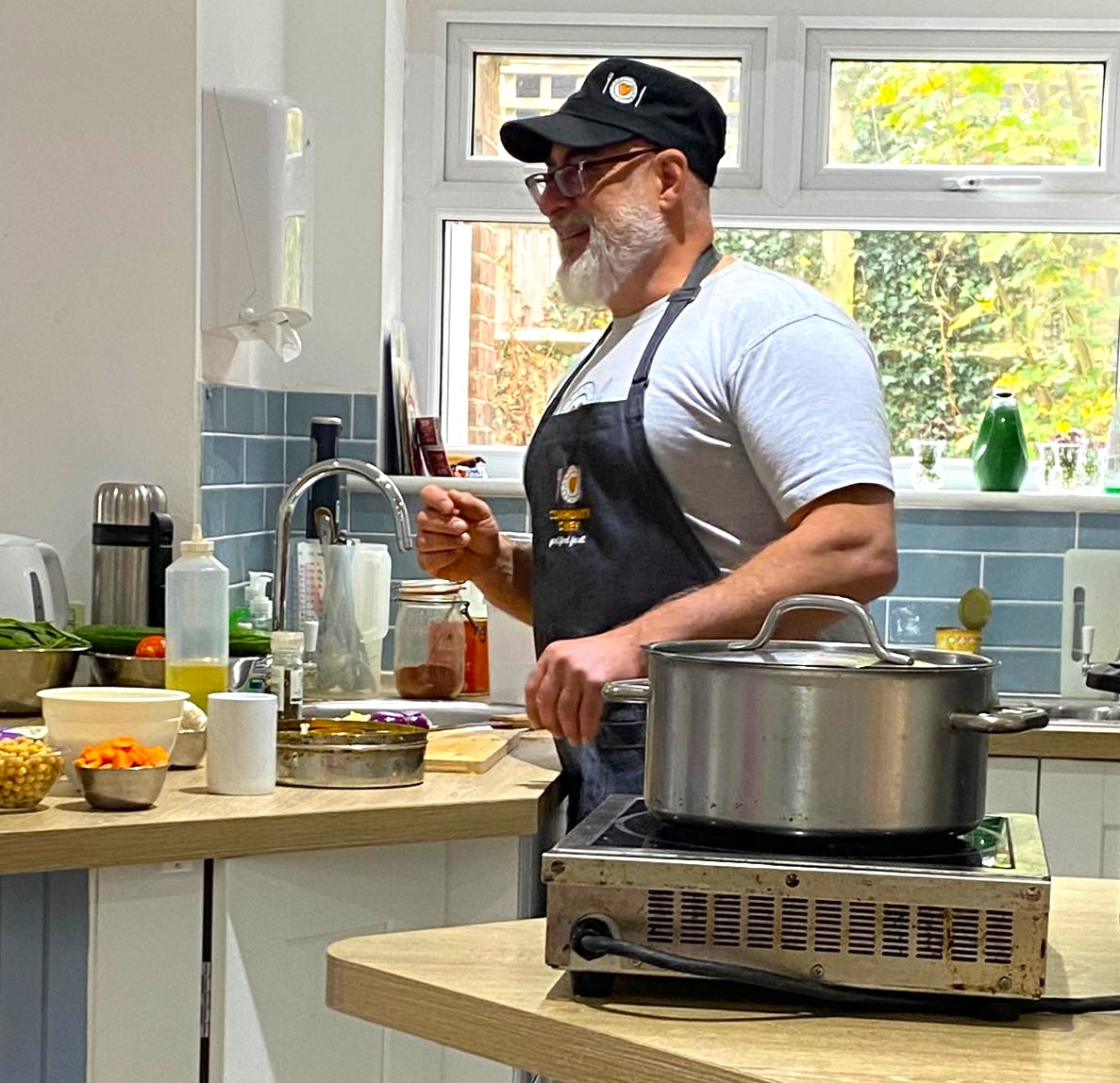
Here are some of our top tips for energy-efficient cooking:
- Use the right-sized appliance – Choose the smallest tool that will do the job—air fryer, microwave, or pressure cooker—rather than heating a full oven for one or two items.
- Put lids on pans – A tightly fitting lid keeps heat in, reduces cooking time, and cuts energy use by up to a third.
- Boil only what you need – Whether it’s the kettle or a pan, heating extra water wastes energy and takes longer.
- Cut food into smaller pieces – Smaller chunks cook faster, especially for vegetables, potatoes, and meats.
- Batch cook whenever possible – Make multiple portions at once and reheat later—reheating uses far less energy than cooking from scratch.
- Use residual heat – Turn off the hob or oven a few minutes early and let the remaining heat finish the cooking.
- Keep your oven door closed – Every time you open the oven, it loses heat and needs extra energy to warm back up.
- Plan meals around appliances – Choose recipes that suit low-energy devices—pressure-cook stews, microwave vegetables, air fry oven-style items, etc.
- Defrost food in the fridge – It’s more energy-efficient than defrosting in the microwave and speeds up cooking time.
- Don’t overcrowd pots or air fryer baskets – Good air and heat circulation means quicker cooking and better results, so cook in batches if needed.